

♻️E-Waste Center♻️
Our Mission
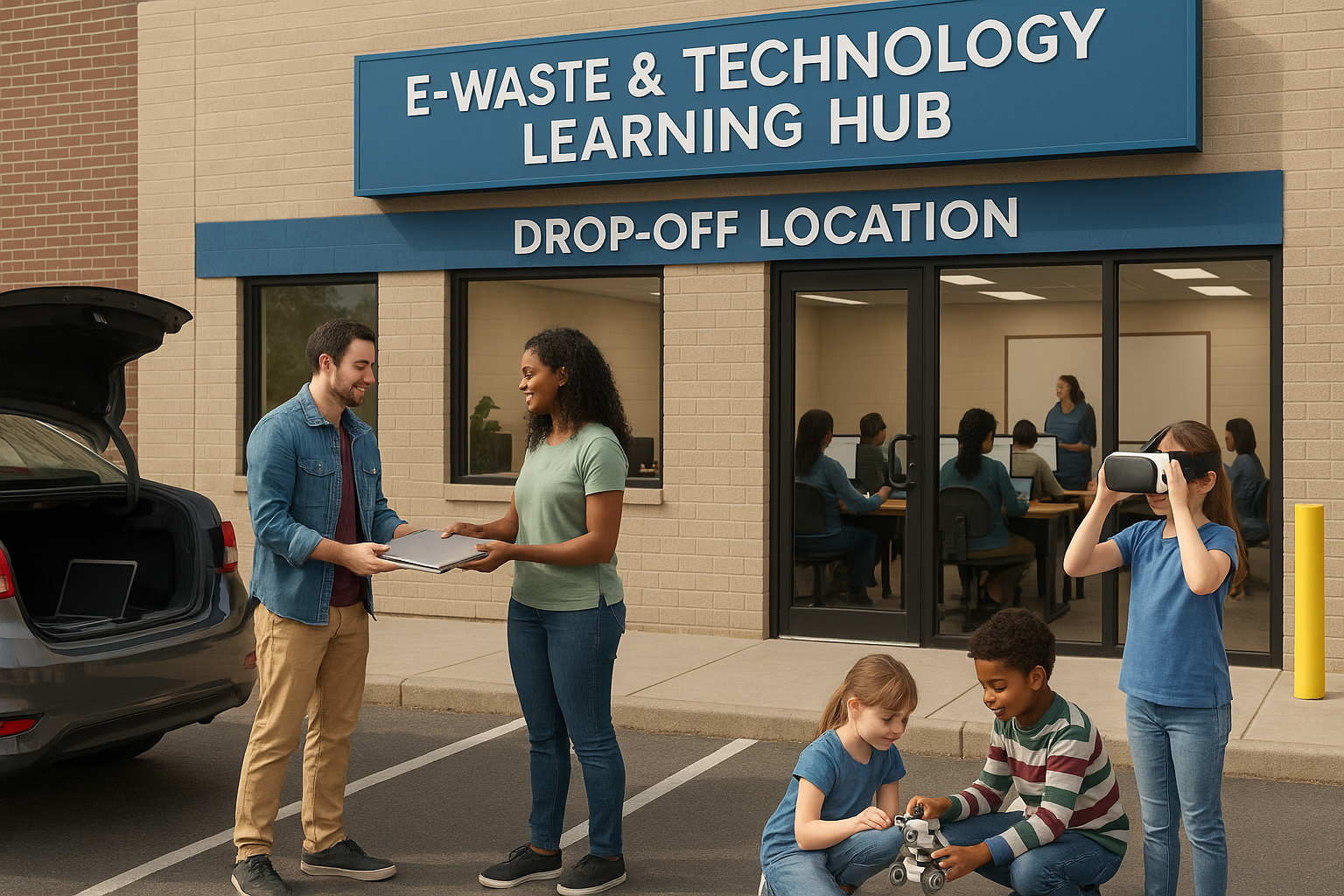
To transform electronic waste from a community liability into a community asset. Our Center will collect, refurbish, recycle, and reimagine technology while empowering students and residents with digital skills, environmental awareness, and equitable access to devices. Our four-tiered structure includes:
Reducing Electronic Waste: Safely collect and process discarded devices, preventing toxic contamination
Revive Technology: Repair and refurbishment services extending device lifecycles
Reinvesting in People: Redistribute tech to schools, families, and nonprofits
Reimagining Learning: Hands-on training in repair, recycling, and digital equity
-
![]()
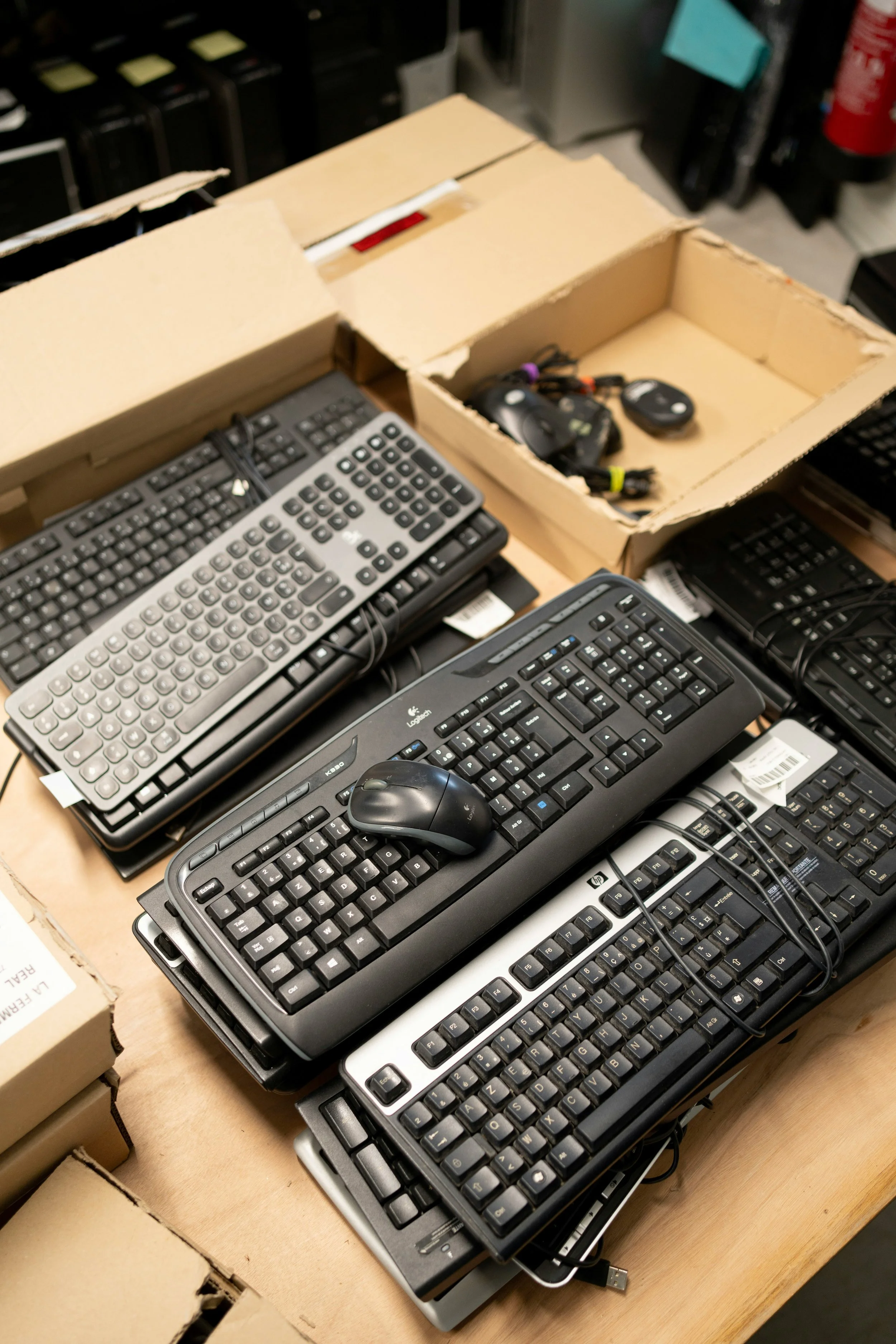
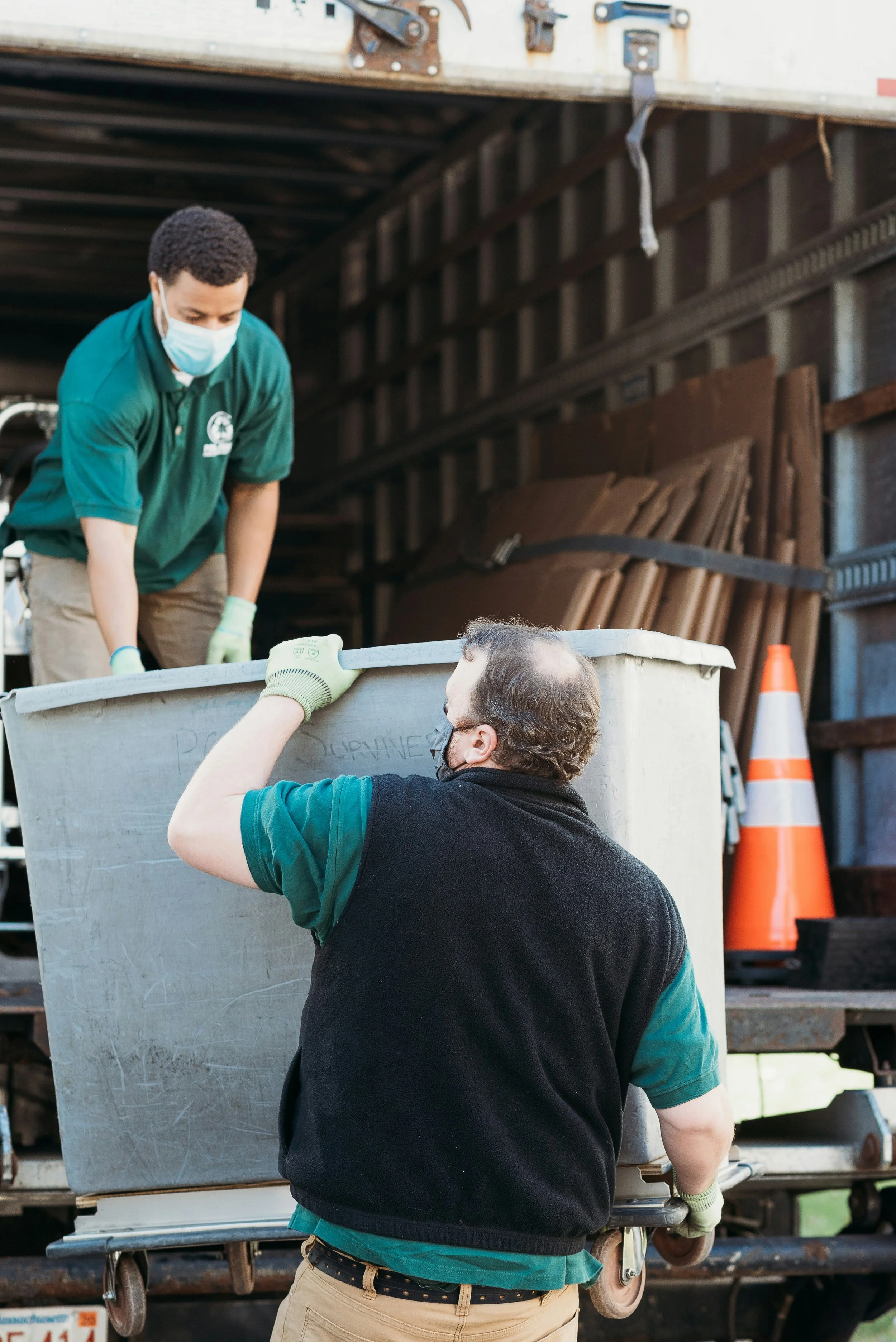
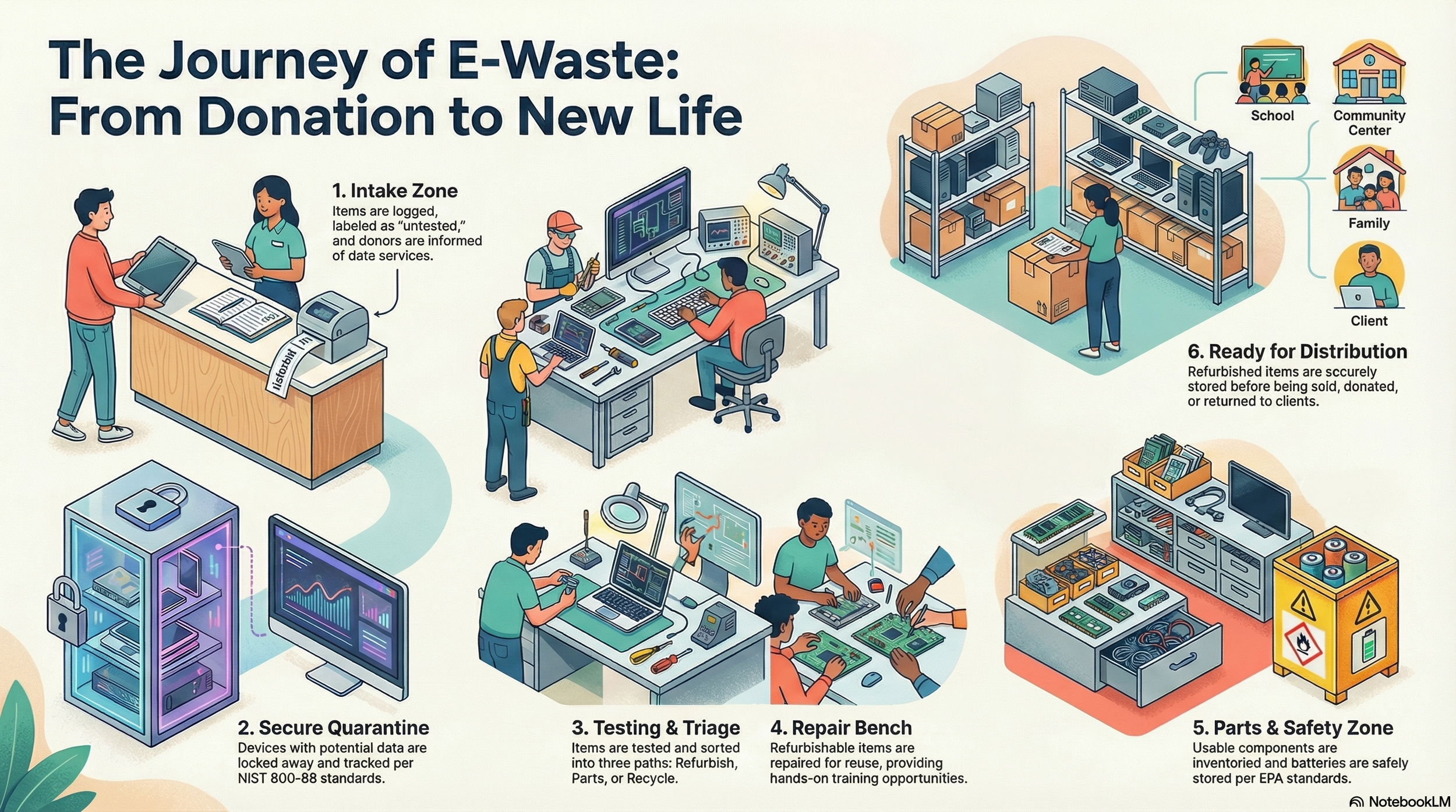
Collection & Secure Handling
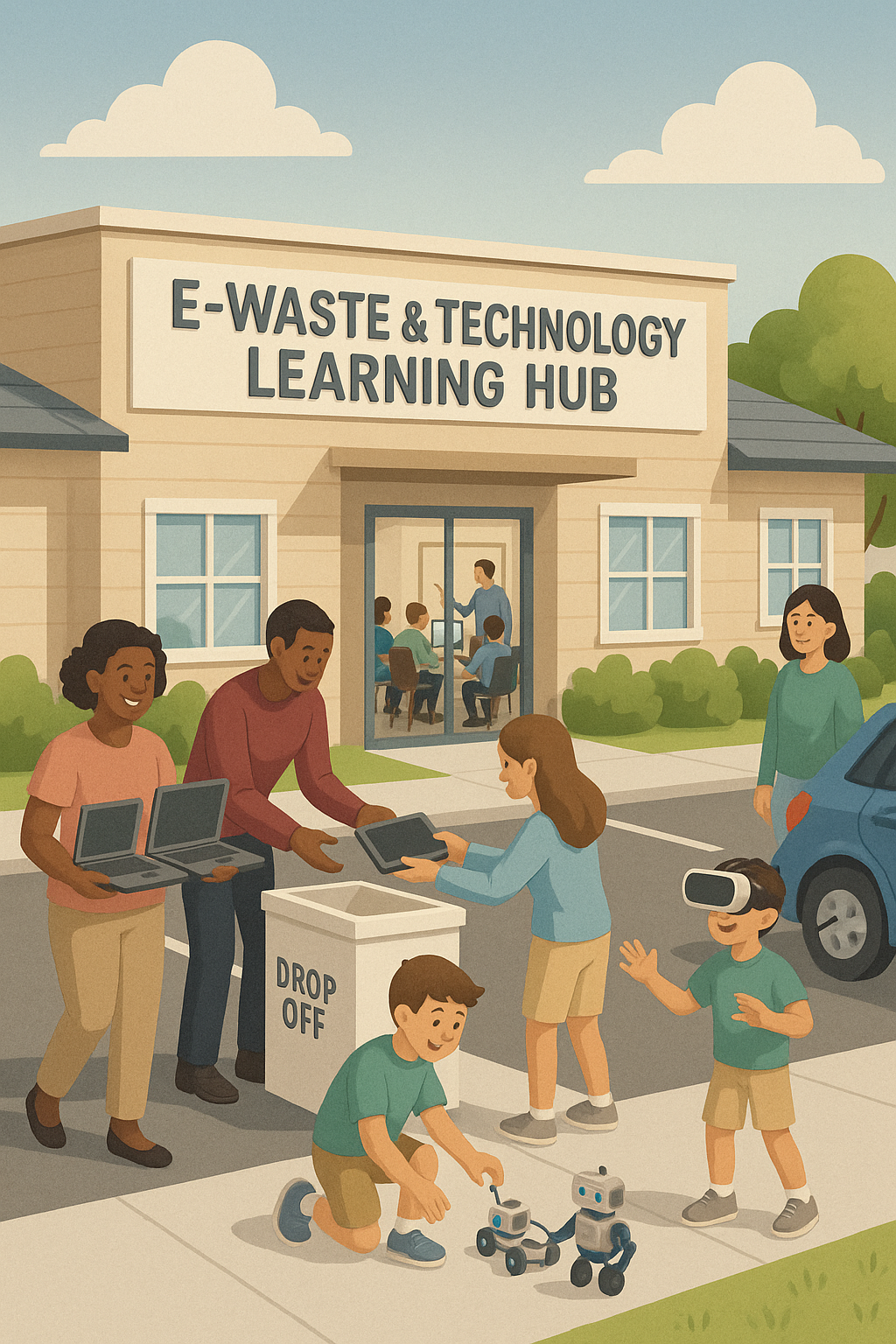
Community drop-off days, school partnerships, and business pickup services.
Certified data-wiping and safe handling of batteries, CRTs, and other sensitive waste.
-
![]()
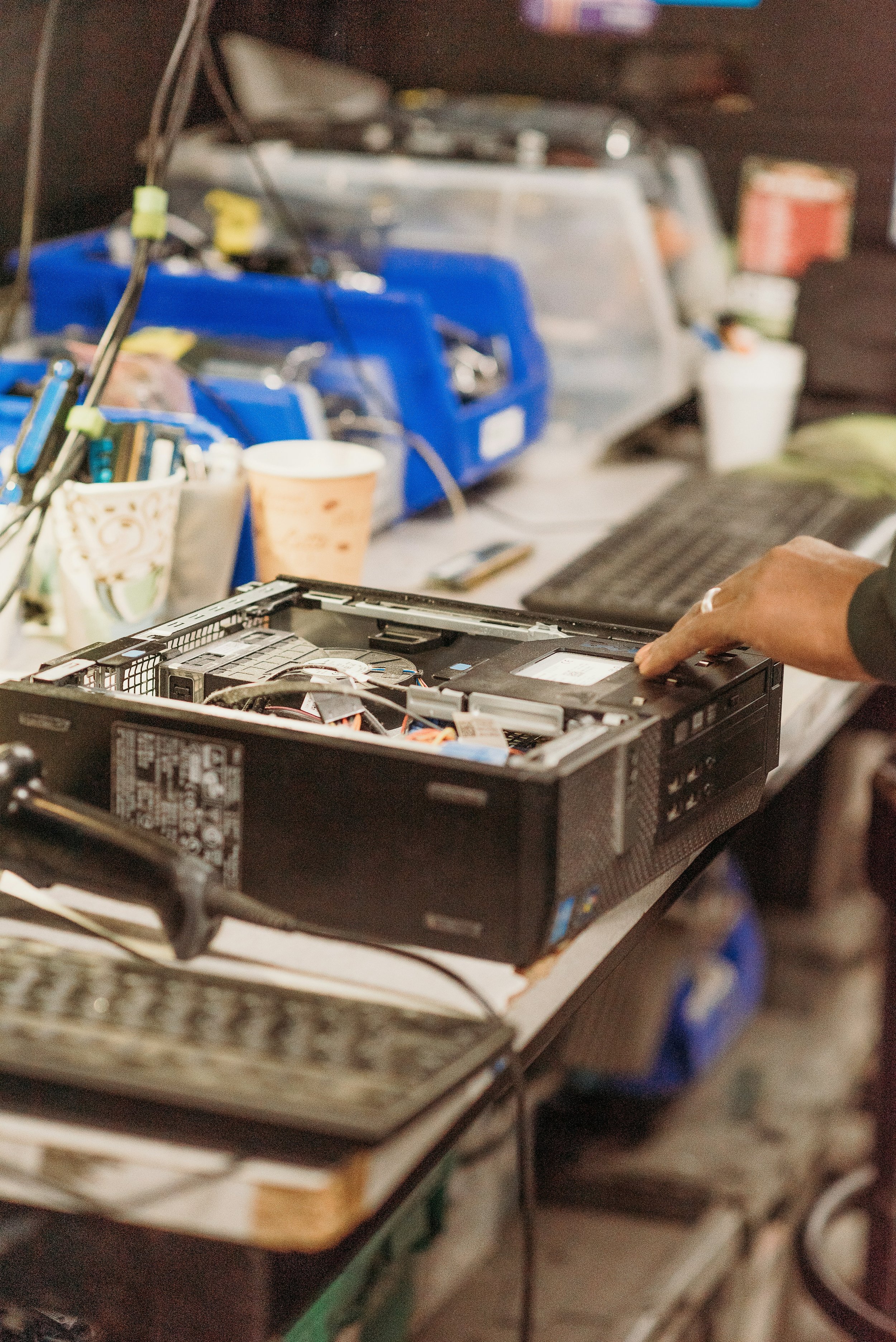
Sorting & Refurbishment
Devices assessed for reuse or recycling.
Volunteer and student repair labs where learners gain practical tech skills.
-
![]()
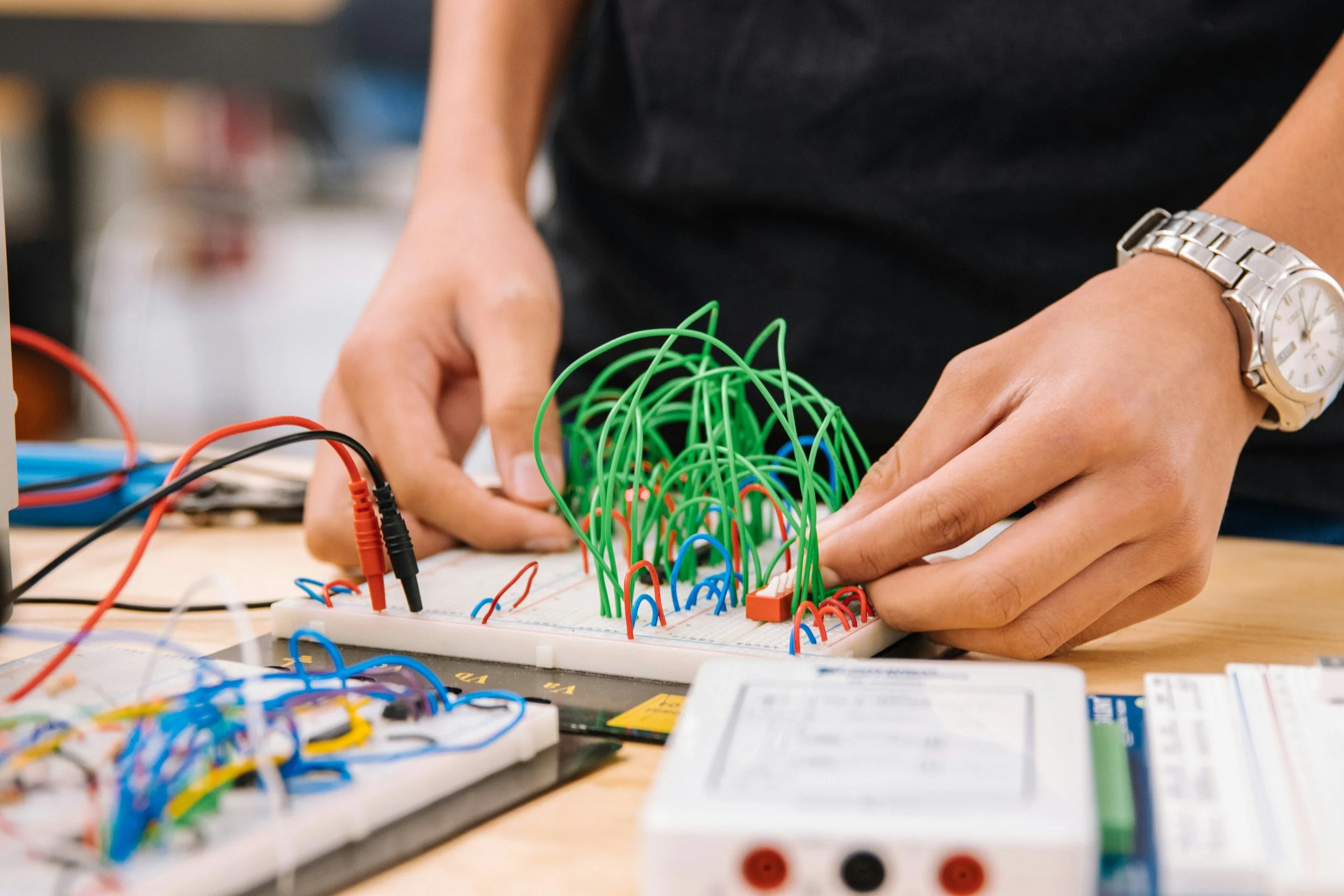
Education & Training
Courses on digital literacy, repair, upcycling, and data privacy.
Service-learning: students earn refurbished devices through hands-on hours
-
![]()
Redistribution & Community Impact
Affordable resale through a thrift model.
Subsidized or donated devices to schools, nonprofits, and families.
-
![]()
Responsible Recycling
Non-repairable devices routed to certified recycling partners.
Transparent impact reporting (lbs diverted, CO₂ saved, devices rehomed).

Listen to learn more
This program aims to collect, refurbish, and responsibly recycle e-waste, while simultaneously empowering residents with digital skills and providing equitable access to technology. The proposal highlights the environmental and economic challenges posed by e-waste, particularly in underserved communities, and outlines a multi-faceted solution involving secure handling, education, redistribution, and sustainable recycling practices.
Audio is AI Generated by NotebookLM based on the Proposal data.
The Project in Action
These videos showcase similar projects in the US and the importance of proper e-waste disposal. We’re building this for Mississippi.
Portland nonprofit Free Geek celebrates 25 years
Free Geek Twin Cities: E-Waste and Education
I went down a rabbit hole trying to recycle all my tech waste
The less toxic way scientists are mining gold from electronic waste.
What We Need to Launch
We're currently in the planning phase and actively seeking partners, donors, clients, and team members who believe technology's future should be circular and equitable. The letters of support we receive now shape our funding and our launch, and your voice carries real weight at this stage.
It takes less than five minutes. Fill out the form below to be part of what we're building.
Infrastructure Investment -
Facility Setup: Warehouse space for collection, sorting, and refurbishment operations
Essential Equipment: work stations, repair tools, testing equipment, and safe storage systems
Initial Staffing: Program coordinator, technical instructor, and administrative support
Program Development Funding -
Curriculum Creation: Digital literacy courses, repair training modules, and certification pathways
Volunteer Training Systems: Community engagement programs and hands-on learning protocols
Refurbishment Labs: Student and community workspace setup with tools and safety equipment